The real Kolkata
Hidden Gems
Kolkata has layers. These are the spots that don't make the travel blogs — heritage buildings, secret courtyards, living crafts, and places that reward the curious.
🕐 Last updated: July 2026
Kumartuli, North Kolkata
FeaturedKumartuli Rooftop Views
The idol-makers' quarter has one of the most atmospheric rooftop views in the city — clay figures drying in the sun, the Ganga glinting in the distance, and almost no tourists.
Best time: Early morning (7–9am) during pre-Puja months (August–October) when the workshops are most active. Late afternoon light is excellent year-round.

Park Street, Central Kolkata
FeaturedIndian Museum
The oldest and largest museum in Asia — founded 1814 — with Indus Valley seals, Gandhara Buddhas, Egyptian mummies, Bengal School paintings, and a meteor. Also, wonderfully unchanged since 1878.
Best time: Weekday mornings. Avoid school-trip season (November–February) if you want space to think. The building itself — a palazzo around a central courtyard — is best appreciated on a clear morning.

Strand Road, Maidan
FeaturedPrinsep Ghat
A Gothic-classical monument on the Hooghly — Kolkata's most photogenic riverside spot, especially at dusk when the city's skyline and the bridge light up together.
Best time: Evening — arrive 30 minutes before sunset. The ghat faces west across the Hooghly; the light at golden hour is exceptional.
Shibpur, Howrah (across the river)
FeaturedAcharya Jagadish Chandra Bose Indian Botanic Garden
A 270-year-old botanical garden with the world's largest banyan tree — a single tree covering 14,500 square metres with 3,700 aerial roots. It is genuinely one of the most astonishing living things in India.
Best time: Early morning on a weekday. Weekends get school groups. The garden is vast (109 hectares) — wear comfortable shoes and carry water.
Park Street, Central Kolkata
FeaturedPark Street Cemetery
The oldest non-church European cemetery in the world — 200 years of Calcutta's colonial history laid out in crumbling Gothic tombs under enormous trees.
Best time: Early morning (7–9am) when the light filters through the trees and the place is near-empty. Avoid midday heat.
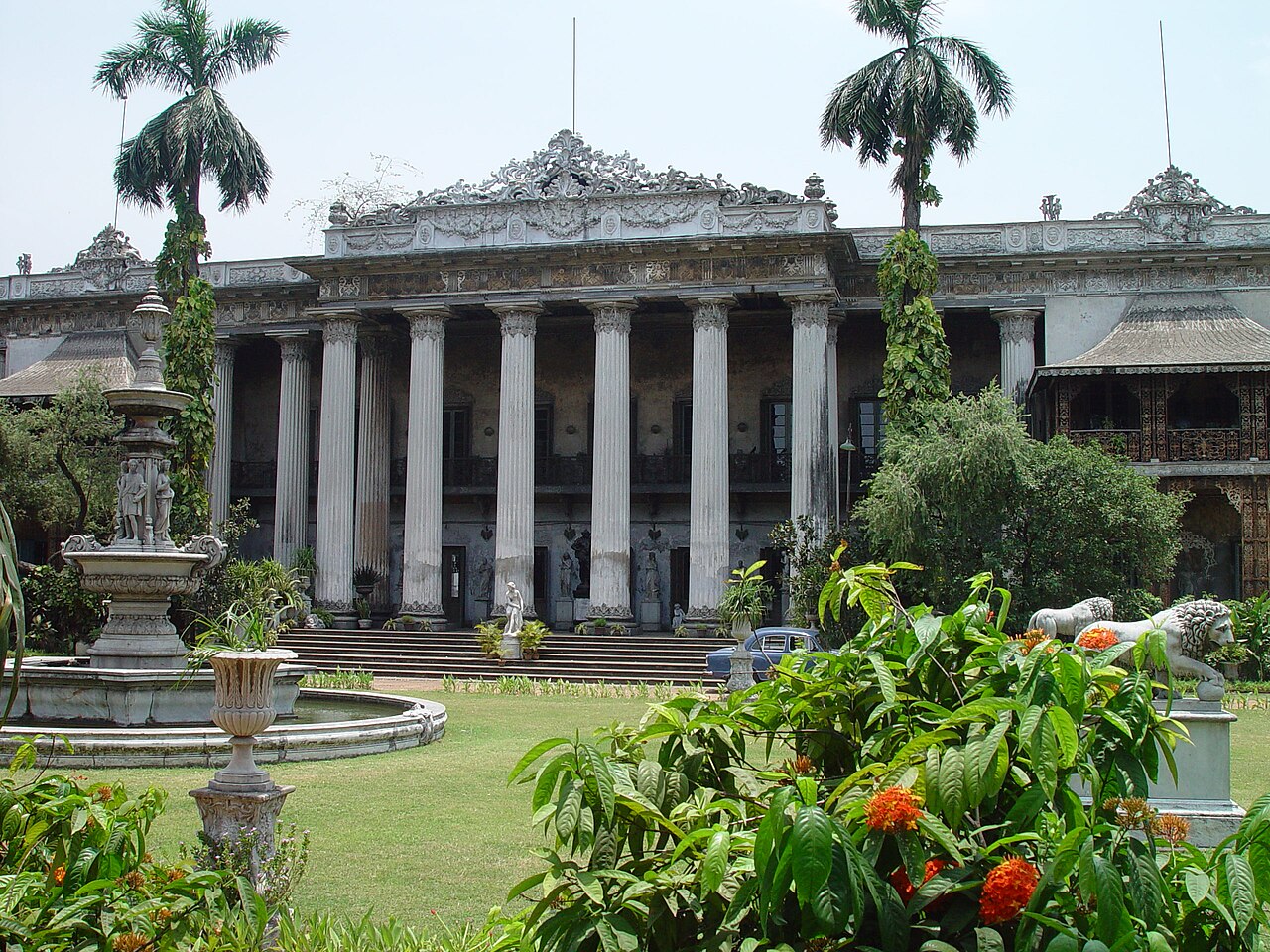
Shyambazar, North Kolkata
FeaturedMarble Palace
A 19th-century mansion crammed with European paintings, Greek statues, Belgian mirrors, and live peacocks wandering the courtyard — all hidden behind a nondescript North Kolkata lane.
Best time: Weekday mornings — weekends get tour groups. The light inside is best in the late morning.
Burrabazar, Central Kolkata
FeaturedArmenian Church of the Holy Nazareth
Built in 1724 — older than the city of Calcutta itself — by Armenian merchants who made Kolkata their trading hub. The graveyard predates the church by decades.
Best time: Weekend mornings when the caretaker is reliably present. The light in the graveyard is best in the morning.
College Street, Central Kolkata
FeaturedCollege Street's Hand-Set Type Printers
Behind the famous second-hand book market, a handful of printing shops still set type by hand using lead movable type — a craft that's essentially extinct everywhere else.
Best time: Weekday mornings (10am–1pm) when the presses are running. Closed Sundays.
Park Street, Central Kolkata
Academy of Fine Arts
The most important art institution in eastern India — permanent collections of Abanindranath Tagore, Jamini Roy, and Rabindranath Tagore's own paintings, in a building that has been Kolkata's cultural centre since 1933.
Best time: Weekday afternoons. The permanent collection galleries are never crowded. The visiting exhibition gallery changes monthly.
Alipore, South-Central Kolkata
Alipore Jail Museum
India's freedom movement passed through this jail — Aurobindo Ghosh was imprisoned here, and the solitary cell where he experienced his spiritual awakening is now a national monument.
Best time: Weekday mornings. Allow 1.5–2 hours. The museum section is inside the actual jail building.
Park Street, Central Kolkata
Birla Industrial & Technological Museum
India's first science museum — interactive exhibits on engines, electricity, mining, and space, plus a working model of the first steam engine that genuinely impresses adults.
Best time: Weekday mornings are quietest. Weekends get school groups but the atmosphere is energetic. Avoid the afternoon peak.
BBD Bagh, Central Kolkata
Metcalfe Hall
A perfect neoclassical rotunda on the Strand, modelled on the Temple of the Winds in Athens — now housing a reading room where Kolkata's scholars have sat for 160 years.
Best time: Weekday morning — the reading room atmosphere is best early, and the exterior light is perfect before midday.
BBD Bagh, Central Kolkata
Currency Building
The former headquarters of the British Indian currency system — a vast Italianate palace with arcaded verandahs and a history tied to the economic foundation of colonial India.
Best time: Morning on a weekday when office traffic is lower and the light on the facade is good for photography.
BBD Bagh, Central Kolkata
St. John's Church
Kolkata's oldest church (1787), where Job Charnock — the man credited with founding the city — is buried. The churchyard holds more colonial-era history per square metre than anywhere outside a museum.
Best time: Early morning before the area gets busy. The churchyard has trees that make good shade by mid-morning.
Pathuriaghata, North Kolkata
Madho Bhavan (Pathuriaghata Heritage Zone)
A cluster of 18th-century zamindar mansions in Pathuriaghata — peeling plaster over red brick, ornate doorways, interior courtyards that open off each other like a set of rooms inside a painting.
Best time: Morning (8–11am) before the lanes get busy. Weekdays are quieter. Not all buildings are open — this is residential territory, so content yourself with exteriors and street-level courtyards.